15 Best Hypoallergenic Dogs for Kids (Chosen for Real-Life Compatibility)
You don’t feel the problem until it’s real: your child wants a dog, but ten minutes around one and the sneezing starts. Eyes water. Skin reacts. The idea of a “family dog” begins to feel unrealistic.
But here’s the truth most articles miss you don’t need a perfect dog. You need a compatible one.
The phrase hypoallergenic dogs for kids is often oversimplified. No breed eliminates allergens entirely. What you’re really choosing is a dog that controls how allergens behave inside your home how much they spread, how easily they’re managed, and how well that dog fits your child’s energy, habits, and environment.
That’s the difference between a good decision and a stressful one. Families exploring allergy-friendly pets often compare these breeds with other popular small cute dog breeds before making a final decision.
Why Some Dogs Trigger Fewer Allergies (And Why It Matters for Kids)
Allergic reactions don’t come from fur they come from microscopic proteins found in dander, saliva, and skin oils. Certain breeds produce less of these proteins or trap them more effectively within their coat structure.
Medical organizations like the American College of Allergy, Asthma & Immunology emphasize that managing exposure not avoiding pets entirely is often the practical solution.
For children, this becomes even more important. Kids don’t interact with dogs occasionally they live with them. They hug them, lie next to them, share space constantly. That’s why the behavior + coat type combination matters far more than the label “hypoallergenic.”
The Best Hypoallergenic Dogs for Children (Chosen for Real-Life Compatibility)
Poodle (Toy, Miniature, Standard)
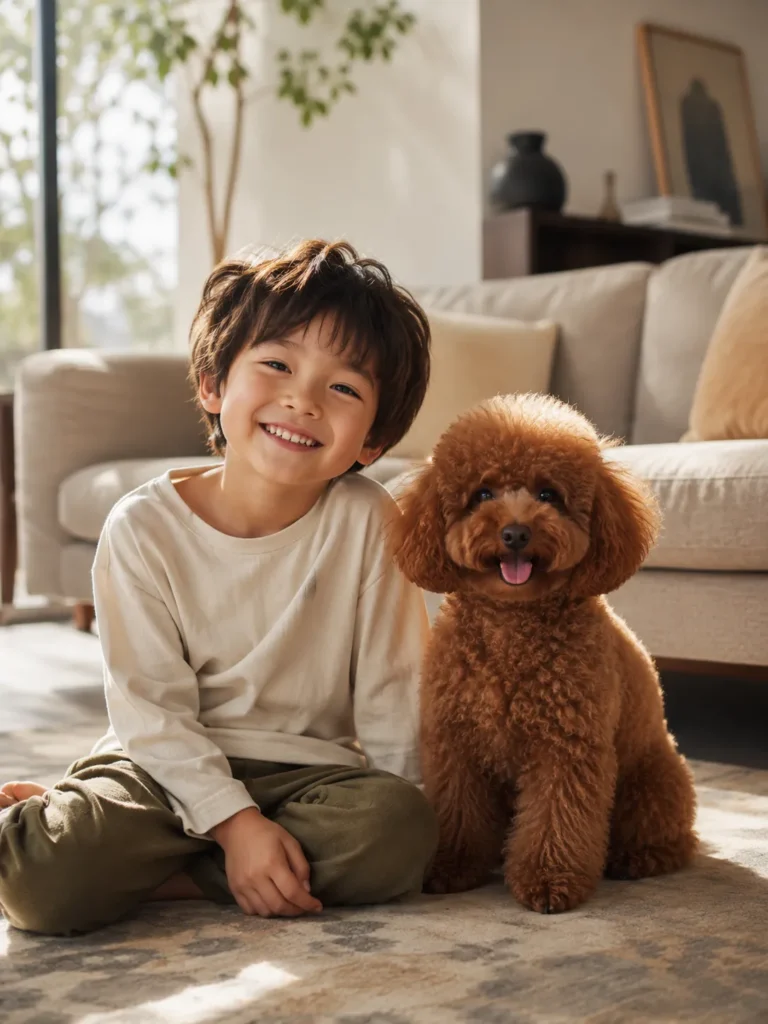
There’s a reason experienced dog owners default to Poodles when allergies are involved. Their tightly curled coat doesn’t just reduce shedding it contains allergens, limiting how much spreads into the air.
But what makes them exceptional for children is something else entirely: predictability.
Poodles learn quickly. They adapt to routines. They respond to tone and structure. In a household with kids where consistency isn’t always guaranteed that adaptability becomes invaluable.
Maltipoo
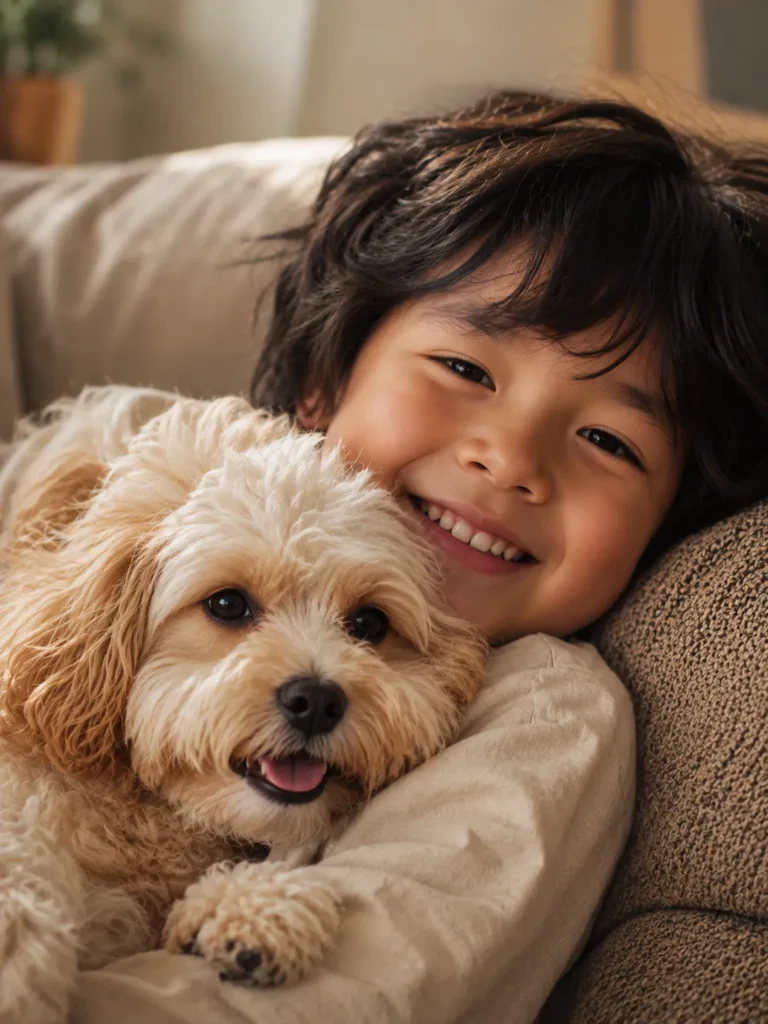
The Maltipoo isn’t just small it’s emotionally responsive in a way children naturally connect with.
This breed doesn’t tolerate distance well. It seeks closeness, eye contact, physical touch. For a child, that translates into constant companionship. For allergies, its low-shedding coat reduces environmental load.
But here’s the nuance: Maltipoos thrive in calm environments. If your household is chaotic, their sensitivity can become stress.
Bichon Frise
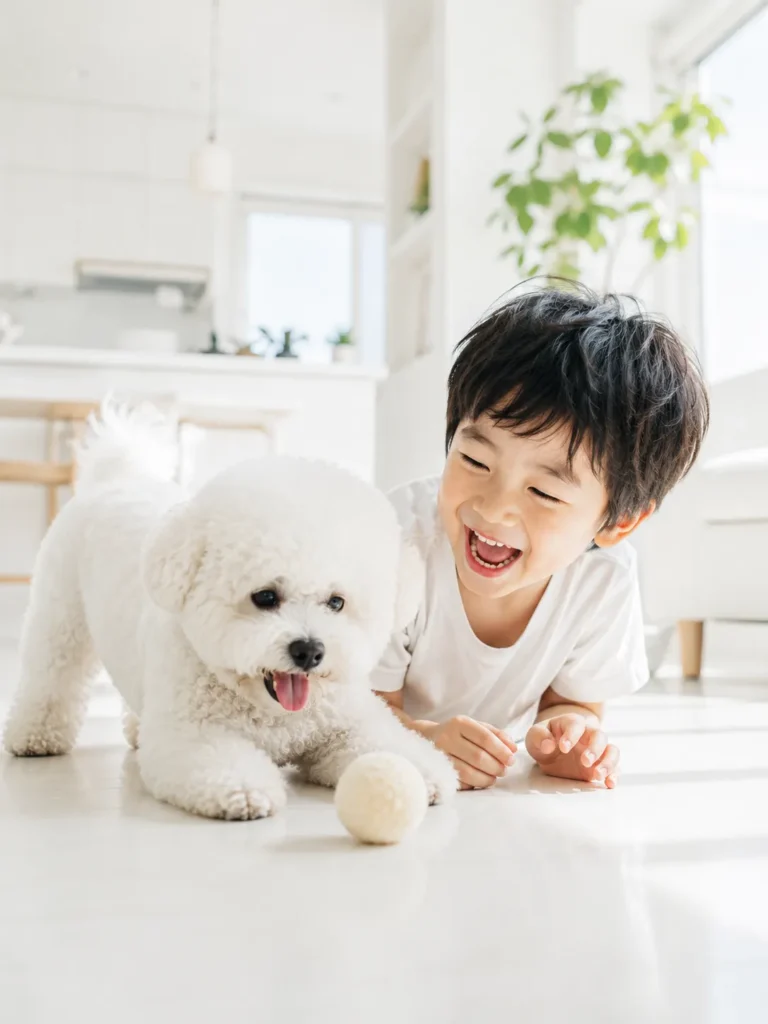
The Bichon Frise looks delicate but it isn’t. It’s one of the few small breeds that can handle the unpredictability of children without becoming reactive.
Its coat traps dander efficiently, but what truly stands out is its behavioral resilience. Loud noises, sudden movement, inconsistent handling the Bichon adjusts rather than withdraws.
That’s rare.
Labradoodle
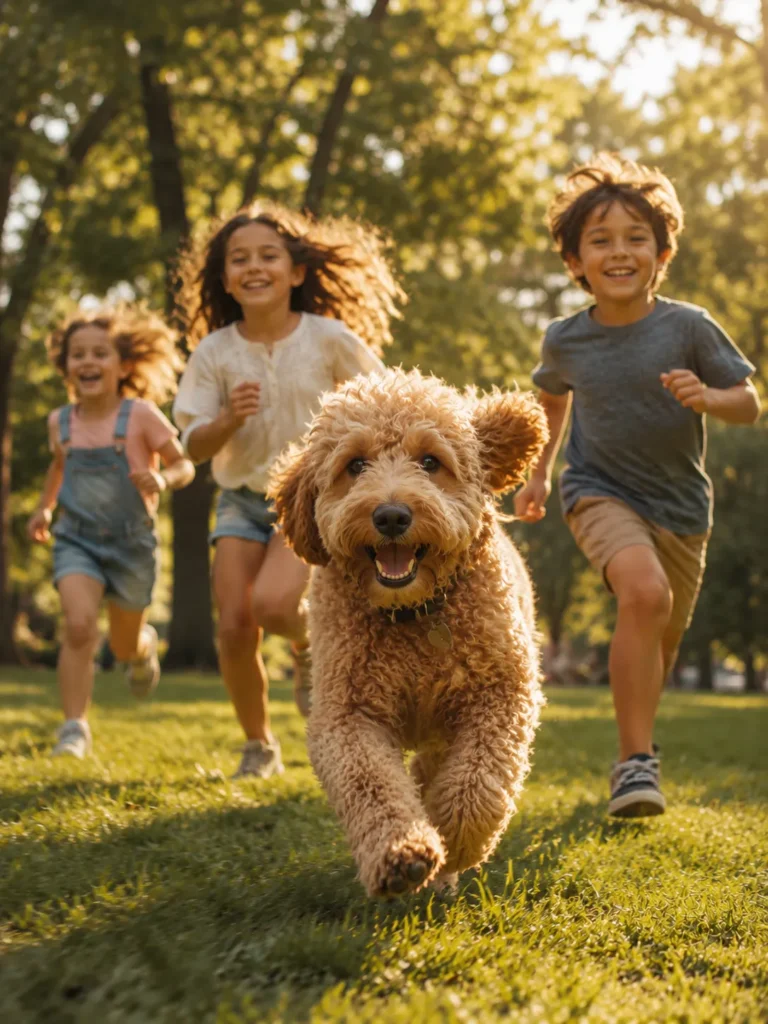
The Labradoodle is often recommended casually but it shouldn’t be chosen casually.
When the coat leans toward the Poodle side, it offers strong allergen control. When it doesn’t, shedding increases. This is where many families go wrong.
What you’re really choosing here is energy alignment. Labradoodles need activity. Without it, they become restless and that affects both behavior and home environment.
Shih Tzu
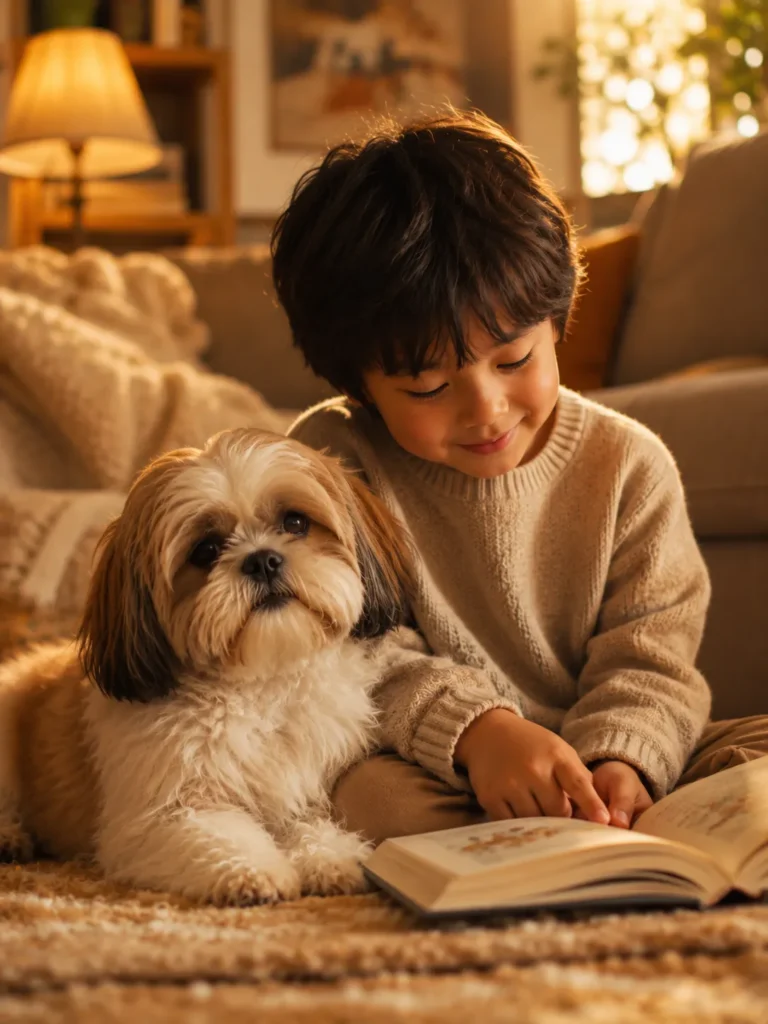
Some dogs bring energy. Others bring stability. The Shih Tzu does the latter.
Its long coat when maintained produces minimal airborne allergens. But its real strength is its calm presence. It doesn’t demand activity. It doesn’t react sharply. It settles into the home.
For younger children or quieter families, that matters more than playfulness. Its calm temperament is one reason Shih Tzus are frequently recommended among the best small dogs for seniors as well.
Yorkshire Terrier (Yorkie)
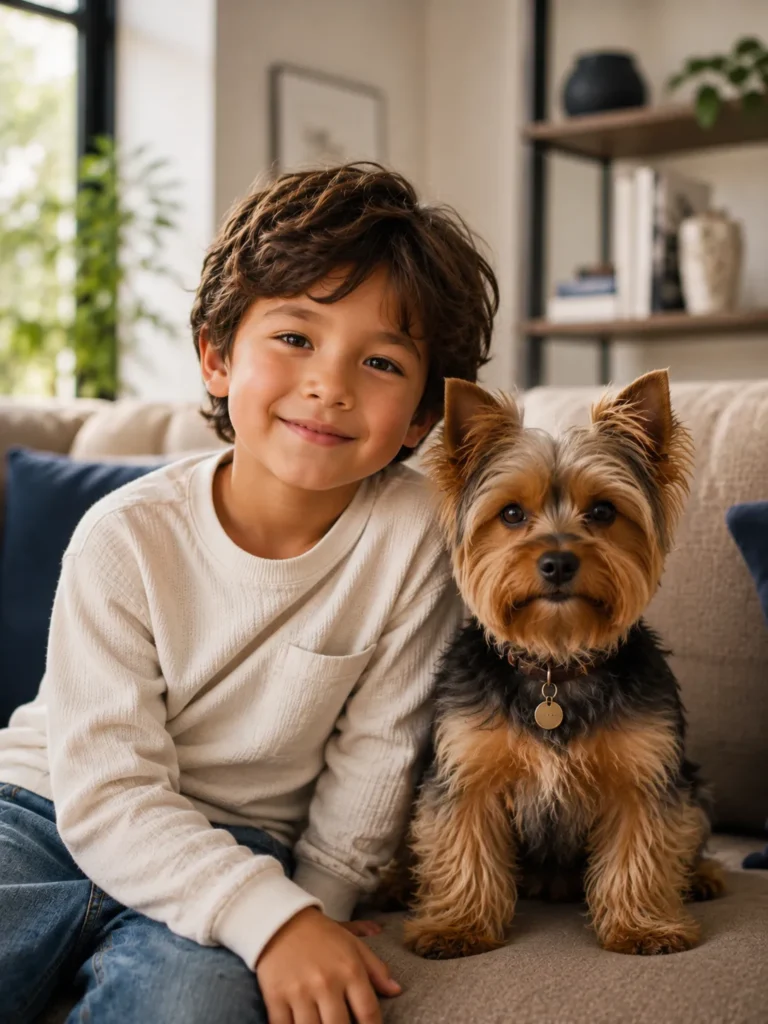
The Yorkie’s coat behaves more like human hair than fur, which significantly reduces allergen spread. But this isn’t a passive dog.
It’s alert. Observant. Sometimes stubborn.
That makes it better suited for older children who understand boundaries not toddlers who don’t.
Havanese

The Havanese solves a common issue: small dogs that become anxious around children.
This one doesn’t.
It stays social. Engaged. Balanced. Its coat minimizes dander, but its temperament minimizes stress which indirectly reduces allergen spread in the home.
Portuguese Water Dog
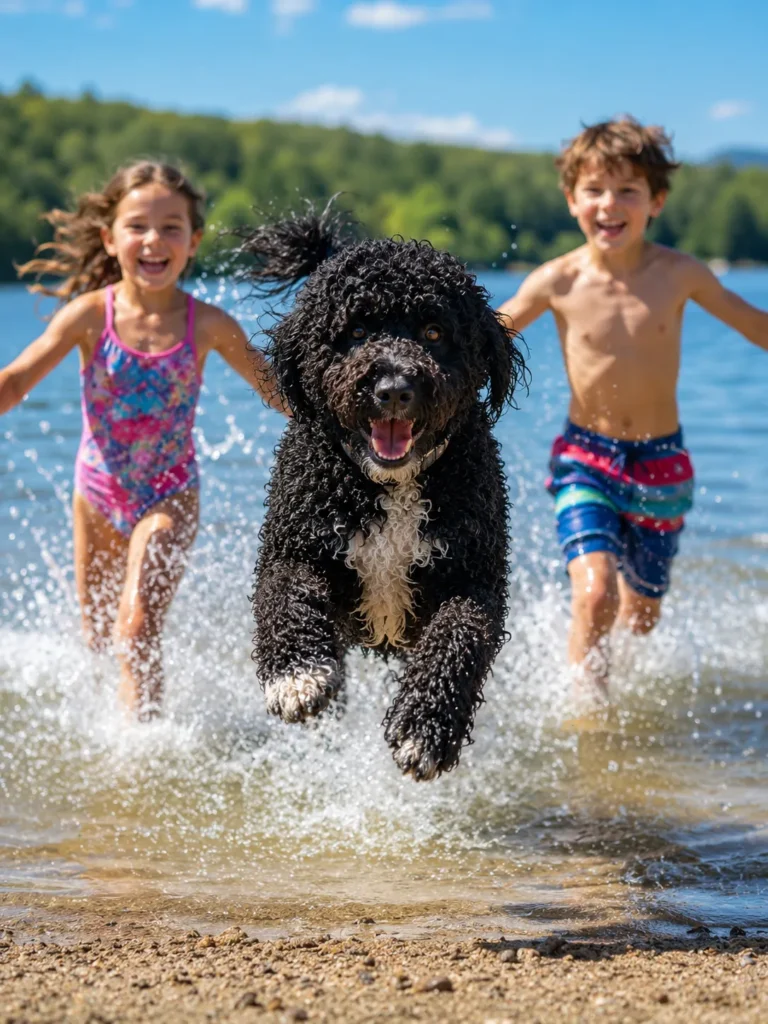
This is not a decorative pet it’s a working dog adapted for family life.
Its coat traps allergens effectively, but it requires physical engagement. If your child is active, this becomes a perfect match. If not, it becomes a mismatch.
Cavapoo
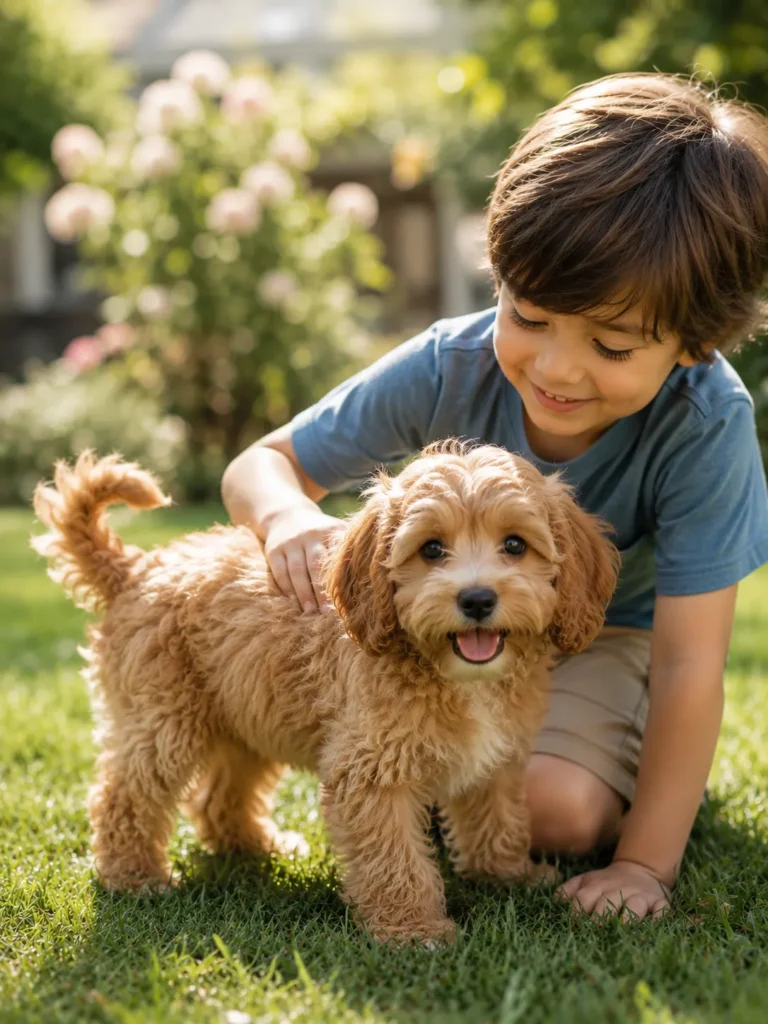
The Cavapoo exists in the middle ground neither too energetic nor too passive.
It’s one of the easiest breeds to integrate into a family because it doesn’t demand extremes. Its allergy-friendliness depends on coat type, but its temperament is consistently manageable.
West Highland White Terrier (Westie)
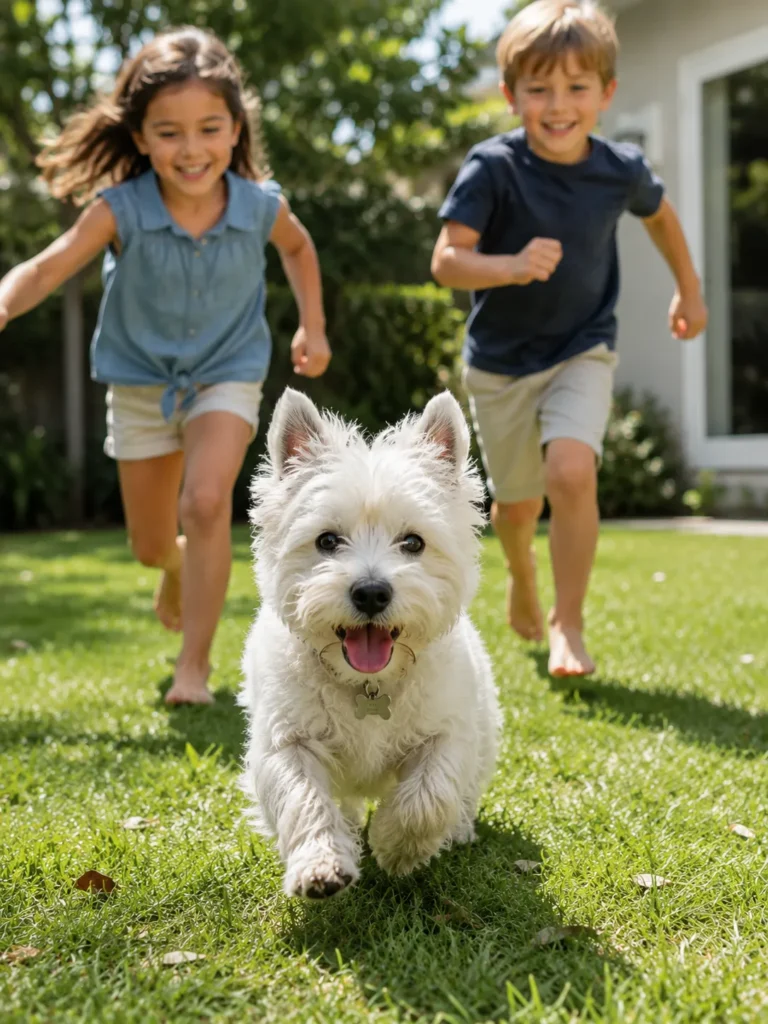
The Westie is often misunderstood.
It’s not fully hypoallergenic but for mild allergies, it works. What it offers instead is personality. Engagement. Energy.
For some families, that tradeoff is worth it.
Miniature Schnauzer
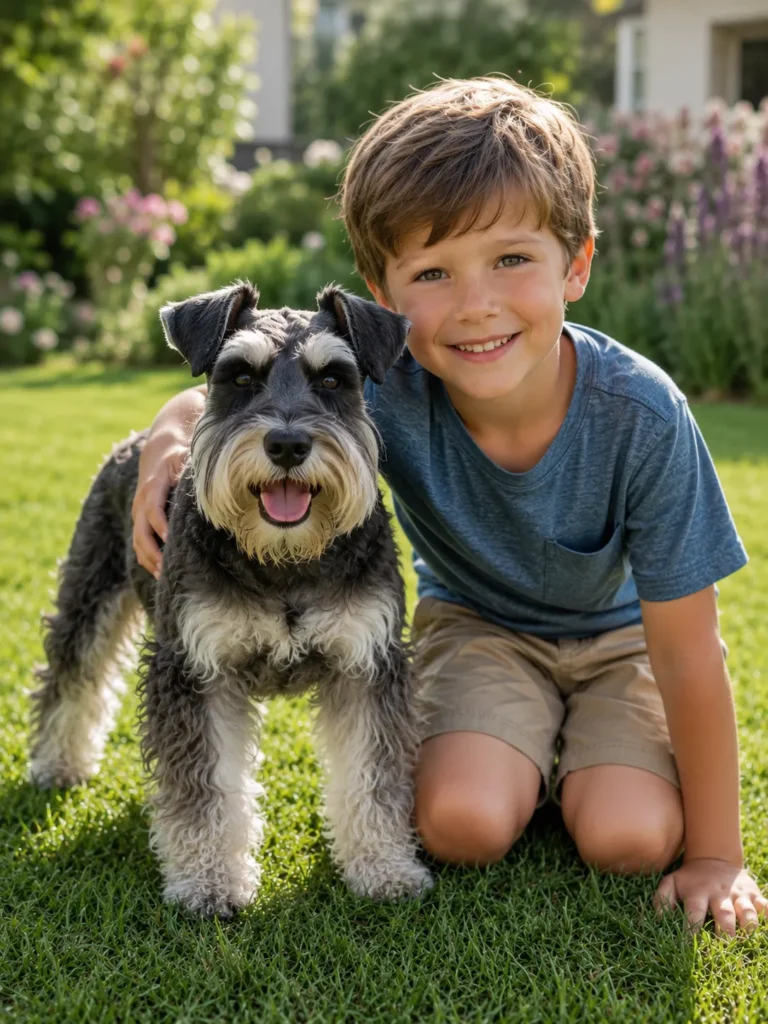
The Schnauzer’s coat structure traps dander effectively but its real value is control.
It listens. It adapts. It responds to structure. In homes where routine matters, that’s a major advantage.
Soft-Coated Wheaten Terrier
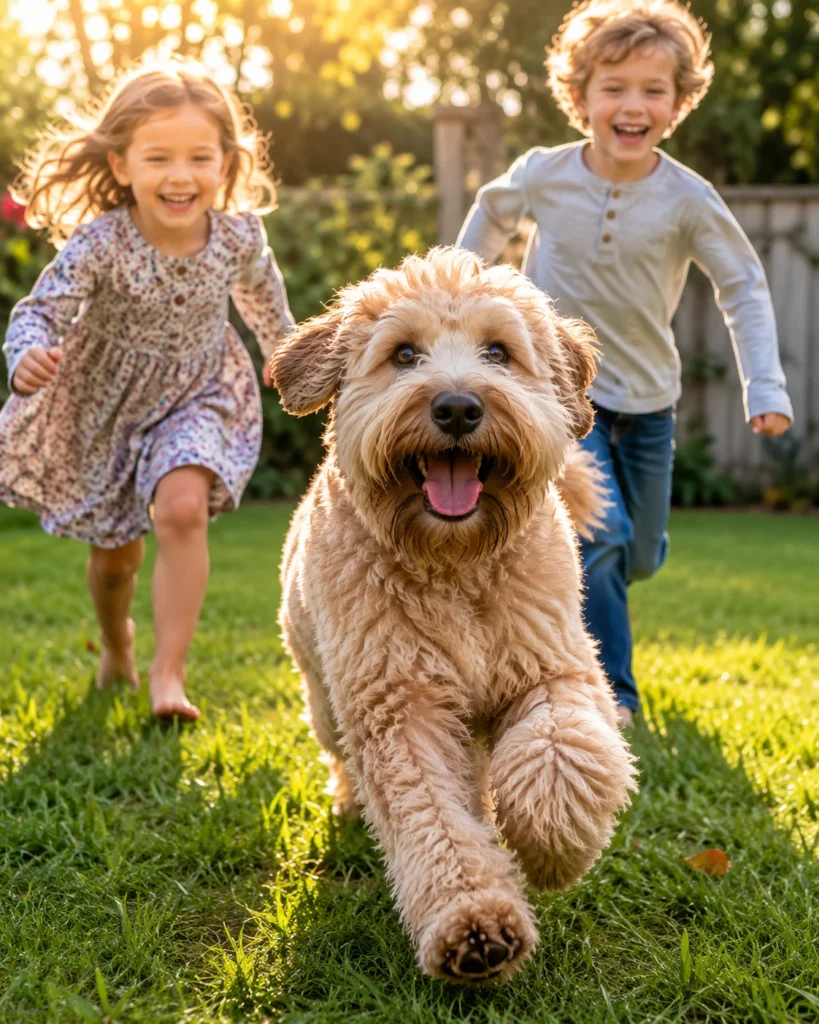
There’s a reason this breed is often described as “balanced.”
Its coat reduces shedding, its temperament supports interaction, and its energy sits in the middle not overwhelming, not passive.
For families unsure what they need, this is often a safe starting point.
Lagotto Romagnolo
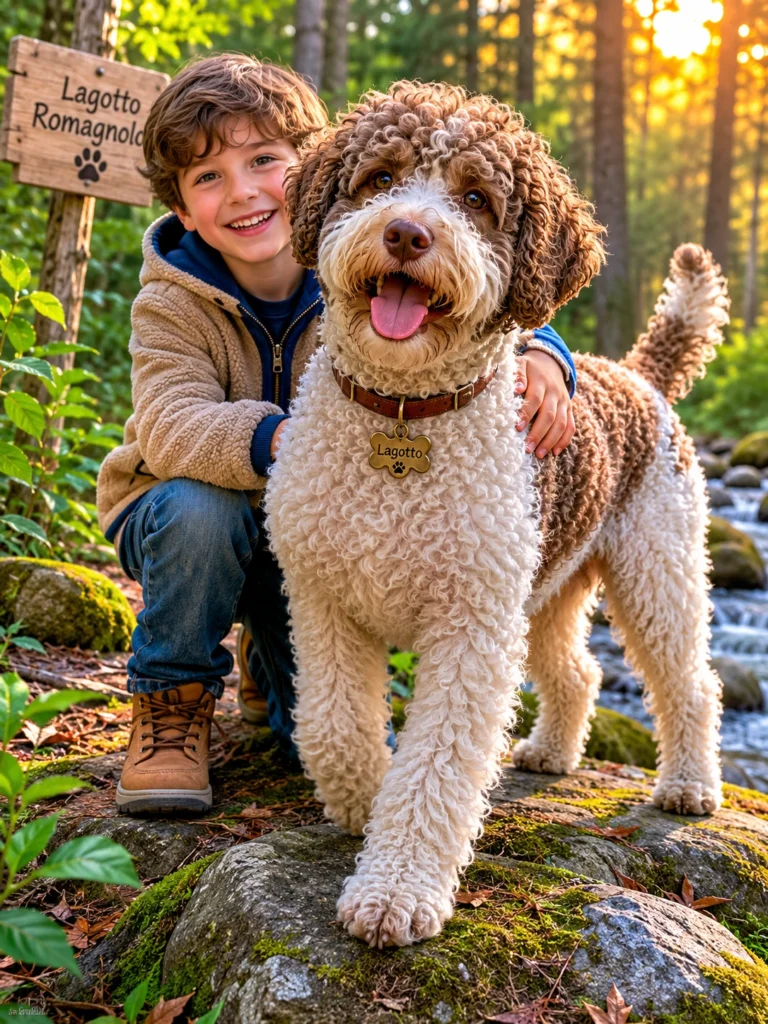
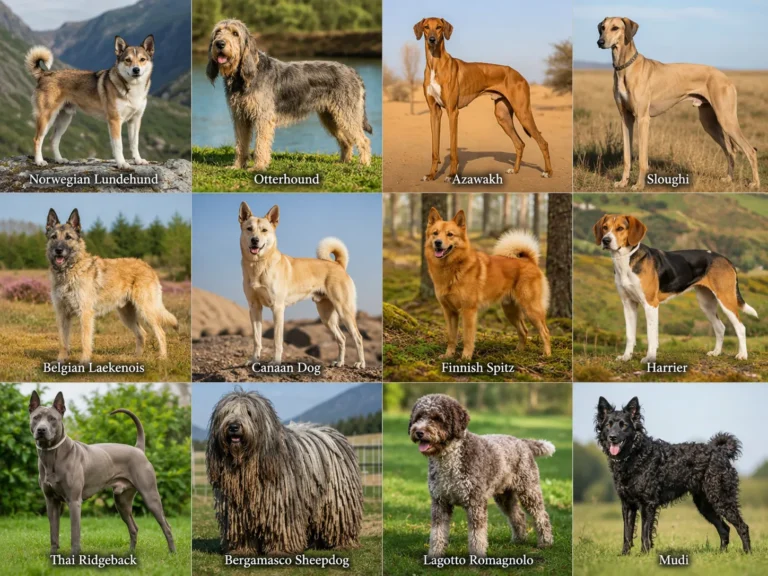
Rare but technically one of the most effective hypoallergenic breeds. Dog enthusiasts interested in unusual companions may also enjoy discovering other fascinating rare dog breeds from around the world.
Its dense curls trap allergens extremely well. But it requires engagement. This is not a low-effort dog.
Coton de Tulear
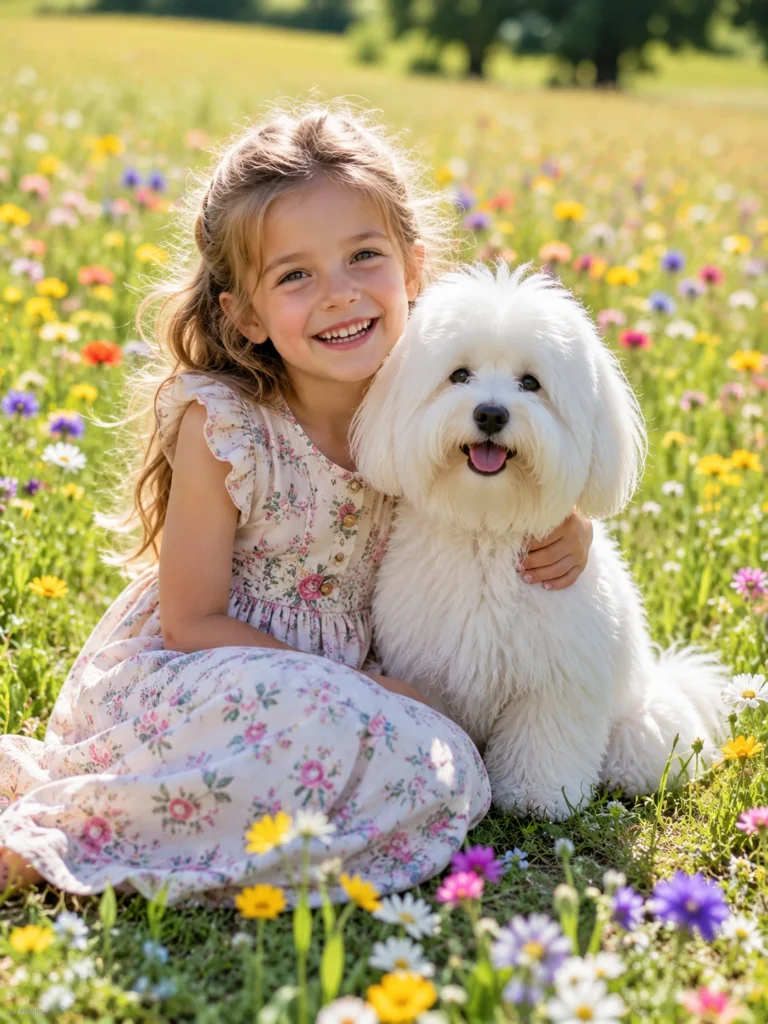
Soft, consistent, and emotionally stable.
This breed doesn’t fluctuate in behavior much which makes it easier for children to build predictable interaction patterns.
Like many family-friendly companion breeds, it combines affection with the traits people often seek in low maintenance small dogs.
Italian Greyhound
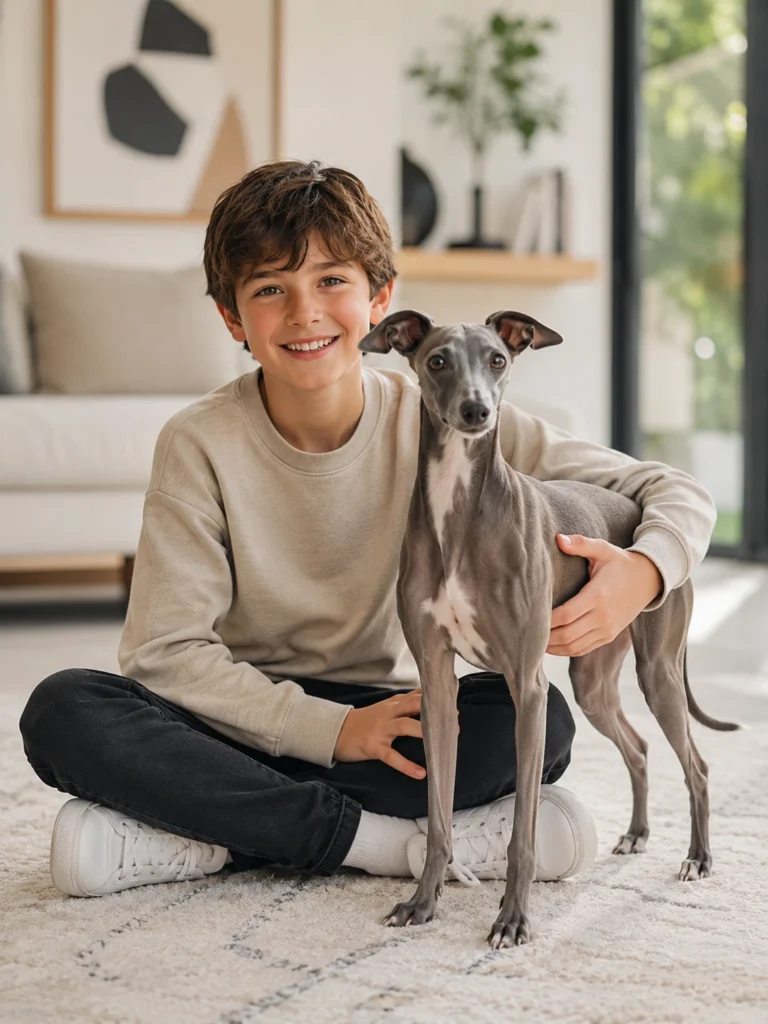
Minimal coat, minimal allergen retention but also minimal tolerance for rough handling.
This is a dog for calm environments and older children.
Managing Allergies the Right Way
Allergic reactions don’t come from fur they come from microscopic proteins found in dander, saliva, and skin oils.
According to the American College of Allergy, Asthma & Immunology (ACAAI), pet allergies are primarily triggered by proteins found in dander, saliva, and skin cells rather than the fur itself.
Final Thought
Most people ask: Which dog is hypoallergenic?
The better question is: Which dog fits your child, your home, and your routine?
Answer that and allergies stop being a barrier.