Gabapentin for Cats The Safe & Effective Solution for Anxiety Relief
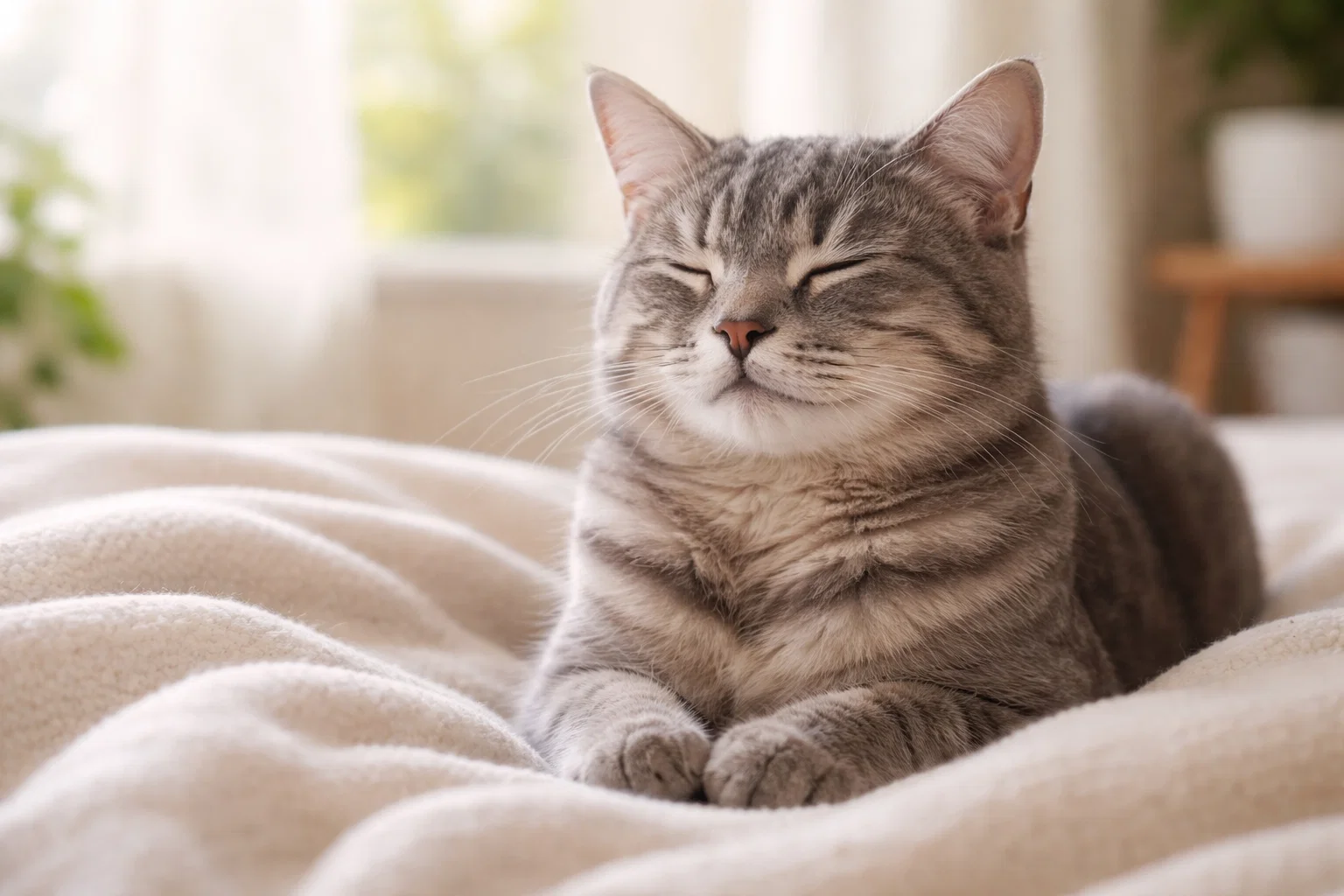
Cats, like humans, can experience anxiety. This condition can affect their behavior, leading to changes like excessive grooming, hiding, aggression, or changes in eating and litter box habits. If left untreated, anxiety can significantly impact their quality of life. As a cat owner, it’s crucial to find effective and safe solutions to manage anxiety and improve your feline friend’s well-being. One of the medications commonly recommended by veterinarians for managing anxiety in cats is Gabapentin for cats, a drug that can help calm anxious cats.
This article will delve into how gabapentin works for anxiety in cats, its benefits, potential side effects, proper dosage, and alternatives to consider. Whether you’re looking for information for your anxious pet or considering gabapentin as an option, this guide will help you make an informed decision.
What is Gabapentin?
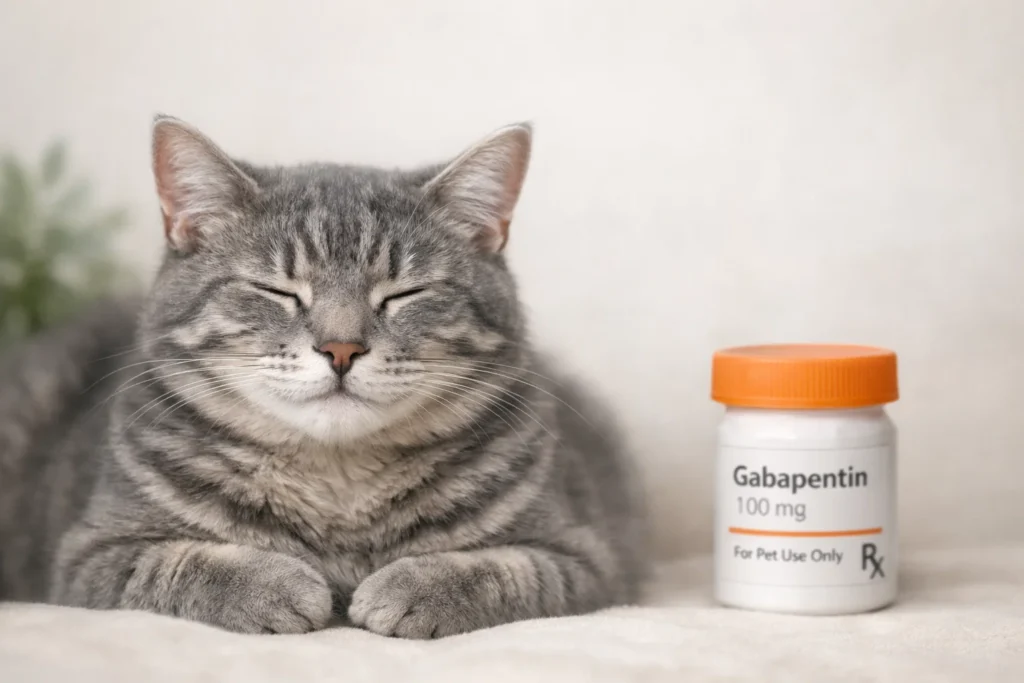
Gabapentin is a medication initially designed to treat seizures and nerve pain in humans. It is also used off-label for a variety of conditions in animals, including anxiety. In cats, gabapentin is most commonly prescribed to help manage stress and anxiety, particularly in stressful situations like trips to the vet, loud noises, or moving to a new home.
Gabapentin works by affecting the brain and nervous system, particularly by influencing the neurotransmitter GABA. This leads to a calming effect on the brain, helping to reduce overactive brain signals that can contribute to anxiety.
Though primarily known for its use in humans, gabapentin has been shown to be effective in cats, making it a valuable tool in treating feline anxiety. Unlike some tranquilizers, gabapentin has a gentler sedative effect, which makes it a preferred choice for both short-term and long-term use.
How Gabapentin Works for Cat Anxiety
Gabapentin works by modulating the neurotransmitter system in the brain, particularly the GABA receptors. GABA is responsible for inhibiting excessive neural activity, and by increasing GABAergic activity, gabapentin calms the brain, which leads to a reduction in anxiety. This can be particularly helpful for cats that become overly stressed during specific situations such as travel, veterinary visits, or encounters with other animals.
The calming effect of gabapentin is different from traditional sedatives because it doesn’t put the cat into a heavy sleep but rather helps to ease their anxious response to stressors, making it ideal for use in situations that are temporary but intense. Gabapentin’s action is slow but steady, which means it can be used to help cats relax without causing them to become overly drowsy or incapacitated. This balance is key to treating anxiety without overly sedating the cat.
Dosage and Administration of Gabapentin in Cats
The dosage of gabapentin for cats varies based on factors like the cat’s weight, age, and the severity of their anxiety. Typically, the dose is between 5 to 10 mg per pound of body weight, but your veterinarian will provide specific guidelines tailored to your cat’s needs.
Gabapentin is available in capsules, tablets, or liquid form, and the method of administration will depend on your cat’s preference and the vet’s recommendation. If your cat resists taking pills, the liquid form might be easier to administer.
Important: Always consult your vet before starting gabapentin treatment. It is essential to follow their prescribed dosage to avoid over-sedation or under-treatment, as incorrect dosages may either not provide relief or lead to side effects. If your cat experiences any adverse reactions, contact your vet immediately.
Benefits of Gabapentin for Anxiety in Cats
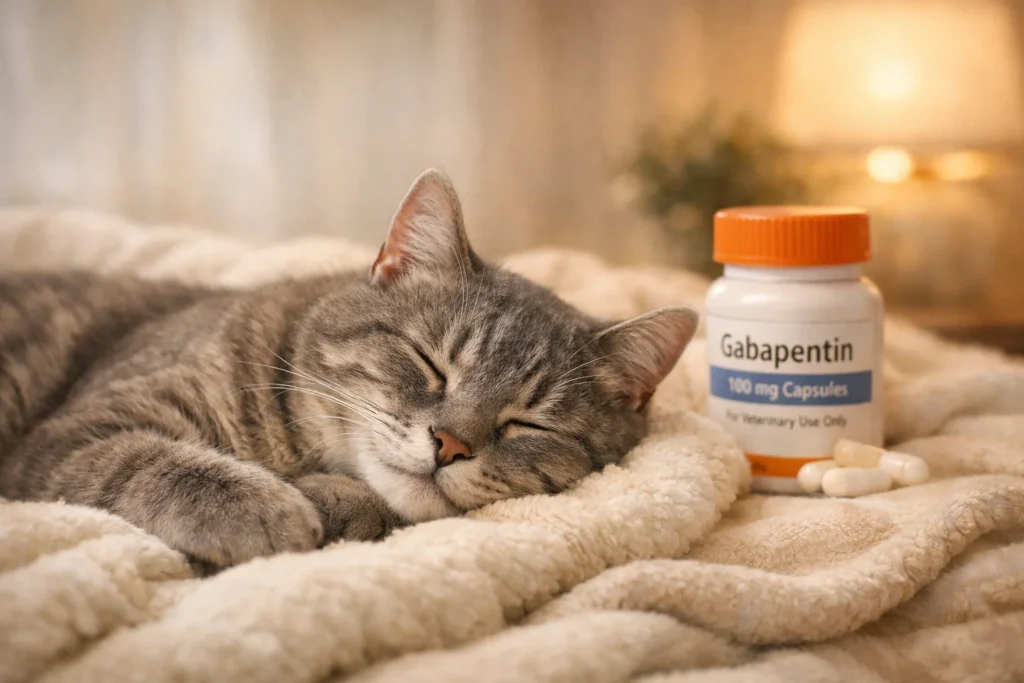
Gabapentin offers several benefits to cats suffering from anxiety:
Effective Anxiety Relief
Gabapentin is known for its calming effect on the nervous system. It is particularly useful for cats that experience anxiety during specific events like vet visits or travel. It reduces stress without causing complete sedation, helping your cat stay calm but alert.
Non-habit Forming
Unlike some other medications, gabapentin is not considered addictive. It provides a safe, non-habit-forming way to manage anxiety, making it a long-term treatment option if needed.
Pain Relief and Stress Reduction
Gabapentin also helps with pain management. For older cats or those with chronic pain conditions, gabapentin can serve a dual purpose by reducing both anxiety and physical discomfort, improving their overall quality of life.
Widely Available and Affordable
As a common medication for both humans and pets, gabapentin is easily accessible and typically affordable, making it a go-to treatment for anxious cats.
Side Effects and Risks of Gabapentin in Cats
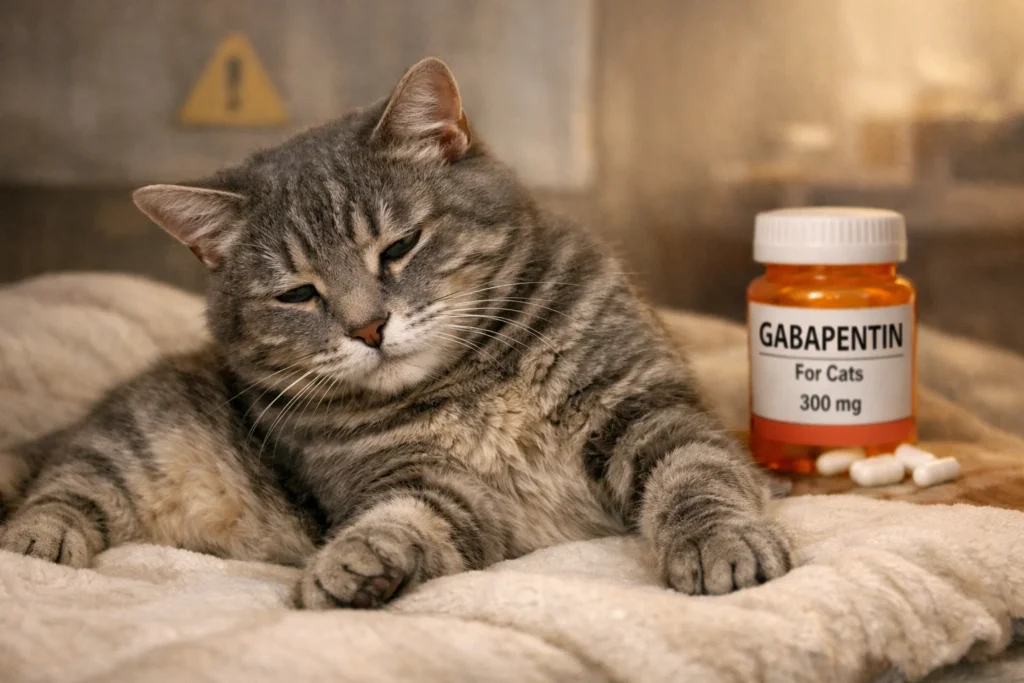
While gabapentin is generally well-tolerated, there are some potential side effects that cat owners should be aware of:
Sedation and Drowsiness
One of the most common side effects is mild sedation. Cats may become more lethargic than usual, especially after the first dose or when increasing the dosage.
Ataxia (Loss of Coordination)
Some cats may experience coordination issues, making them appear unsteady on their feet.
Gastrointestinal Issues
In rare cases, gabapentin may cause vomiting or diarrhea.
Overdose Risk
If you accidentally administer too much gabapentin, your cat could become overly sedated. Symptoms of an overdose include severe drowsiness, confusion, and lack of coordination. In case of overdose, contact your vet immediately.
Always monitor your cat after administering gabapentin and report any concerning symptoms to your vet. For more information on Anxiety for pets, check out PetMD.
When Should You Consider Gabapentin for Your Anxious Cat?
Gabapentin is especially useful for cats who experience situational anxiety. This can include:
If your cat is exhibiting signs of anxiety, such as hiding, excessive grooming, or aggression, gabapentin may be a solution, but it’s essential to consult a vet to ensure the proper treatment.
Alternatives to Gabapentin for Treating Cat Anxiety
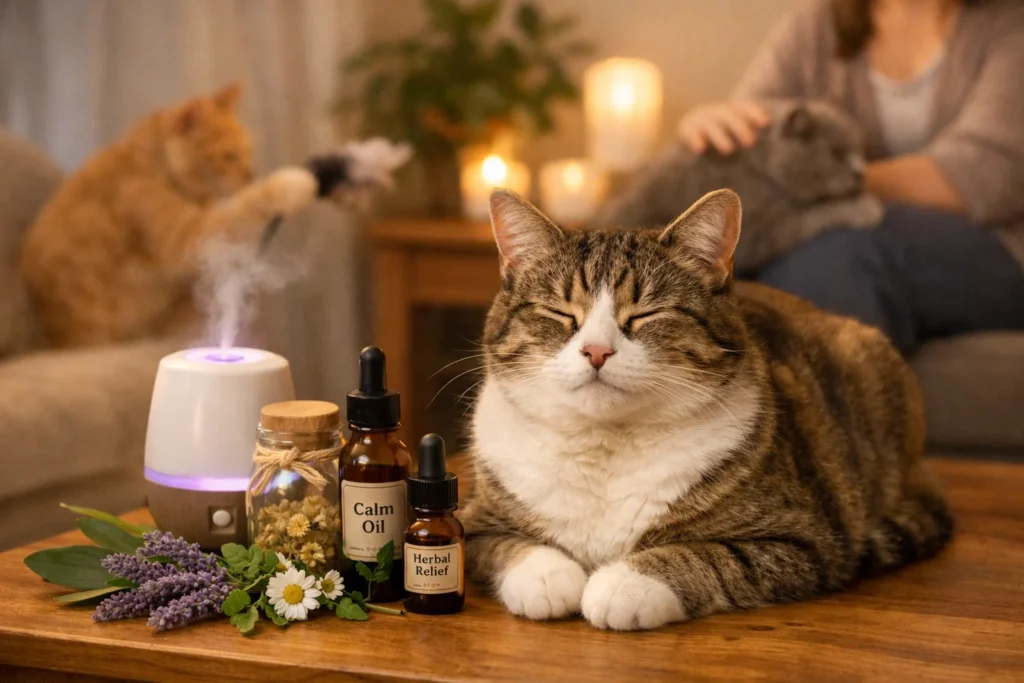
While gabapentin is effective, it’s not the only solution for managing anxiety in cats. Some alternative treatments include:
Pheromone Therapy
Synthetic feline pheromones, like Feliway, mimic the calming signals that cats naturally produce, helping reduce anxiety and stress.
Behavioral Modification
Working with a cat behaviorist can help address the root causes of anxiety, often focusing on gradual desensitization to stressors.
Natural Remedies
Some natural supplements, such as valerian root or L-theanine, are used to calm cats without medication.
Other Medications
If gabapentin doesn’t work or causes undesirable side effects, your vet may recommend alternatives like amitriptyline or fluoxetine.
Your veterinarian can help you choose the best course of action based on your cat’s specific needs.
Frequently Asked Questions (FAQs)
Conclusion
Gabapentin for cats is an effective, non-habit-forming medication that provides relief for cats suffering from anxiety. Its calming effects help manage anxiety during stressful situations, making it an ideal treatment option for many cats. However, always consult with your veterinarian to determine the right dosage and ensure the best treatment for your furry friend.
By addressing both short-term and long-term anxiety management, gabapentin can help improve your cat’s well-being, providing them with the calm they need to enjoy life to the fullest. For dog owners, learning how to alleviate crate anxiety in dogs is crucial too. Find effective crate training methods in our article on Crate Anxiety in Dogs.