How to Manage Crate Anxiety in Dogs: Causes, Symptoms & Solutions
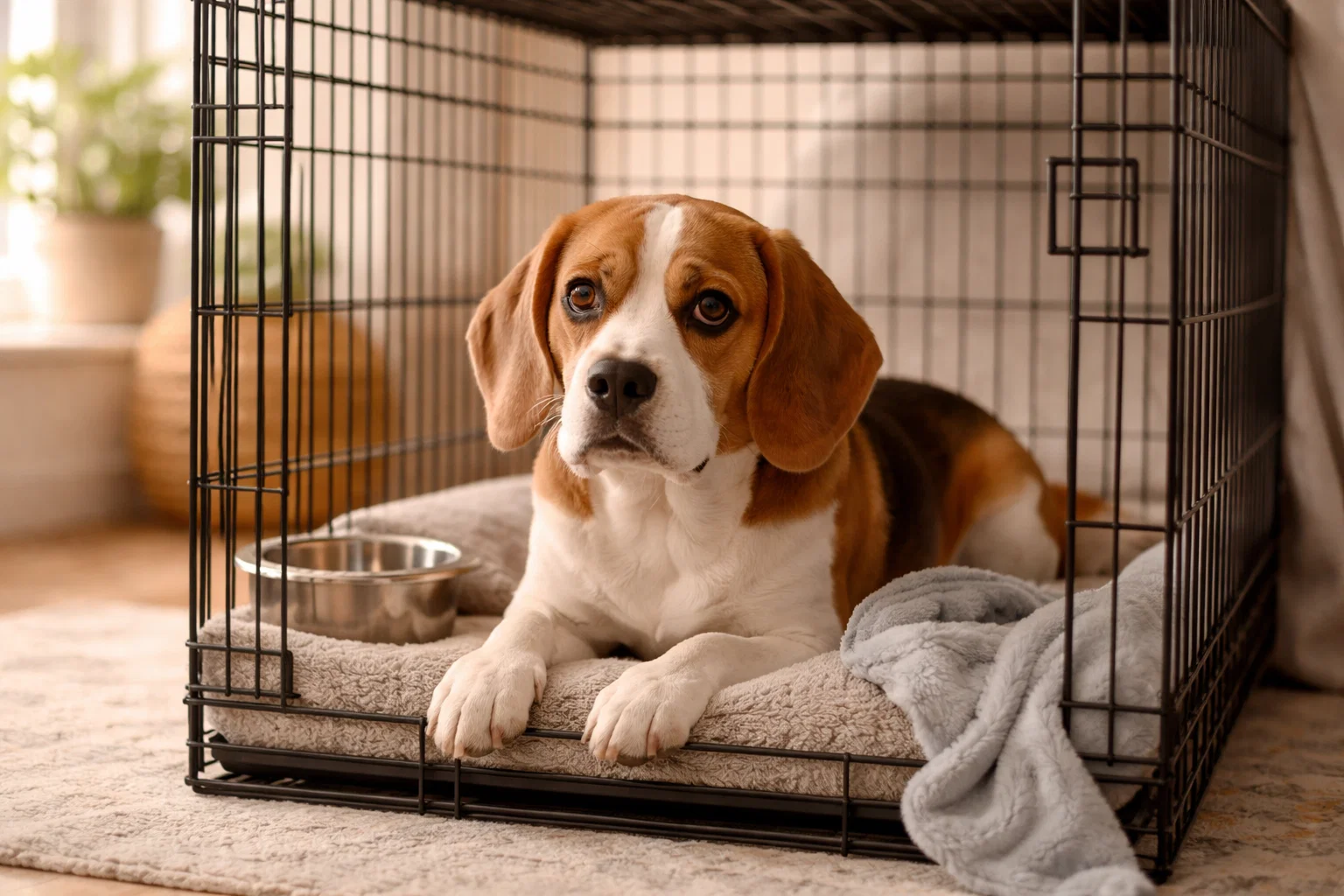
Crate anxiety in dogs is a serious behavioral issue that can have a significant impact on your dog’s well-being. While crates are often used for training and providing a safe space for dogs, some dogs develop a heightened sense of anxiety when confined to their crates. This can lead to distressing symptoms such as excessive barking, drooling, and even destructive behavior.
For some dogs, being placed in a crate feels similar to being abandoned, especially if they suffer from separation anxiety. If crate anxiety is left untreated, it can severely affect your dog’s emotional state, quality of life, and overall behavior. As a dog owner, it’s important to understand the causes, symptoms, and solutions to crate anxiety, as it will help your dog feel safe and secure in their crate.
What Causes Crate Anxiety in Dogs?
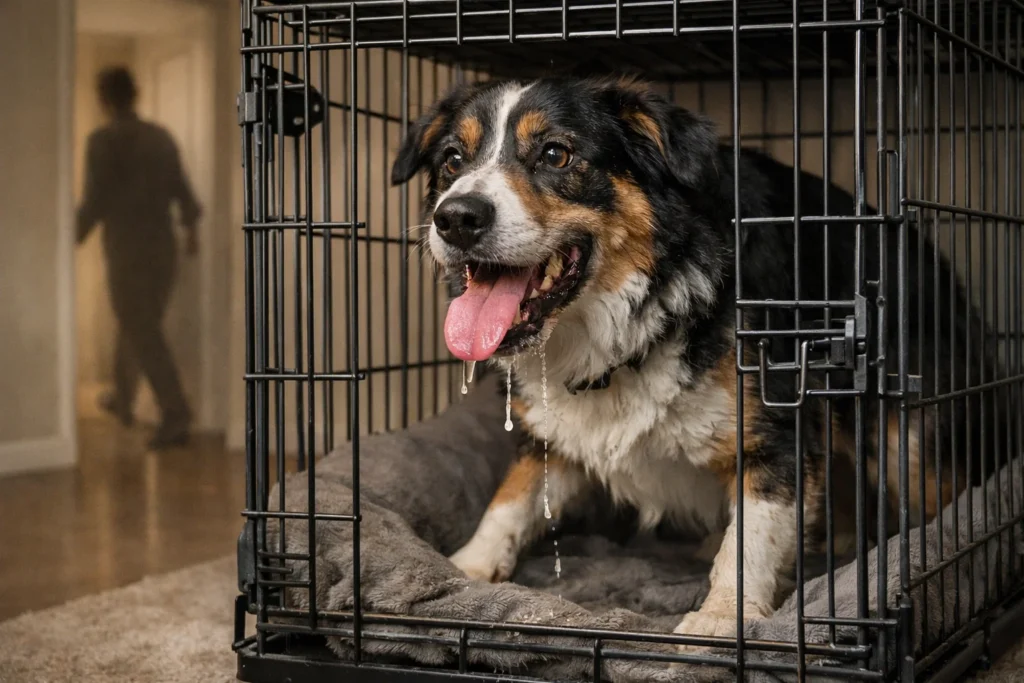
Crate anxiety can be triggered by several factors. Let’s explore the primary causes:
Separation Anxiety in Dogs
Dogs that are left alone for extended periods may experience separation anxiety. Being placed in a crate when left alone can exacerbate their feelings of abandonment, leading to panic and anxiety. This is particularly common in rescue dogs or dogs that have had negative experiences with previous owners.
Fear of Confinement
Some dogs naturally have a fear of being confined, which can trigger crate anxiety. This may occur if the dog has not been properly crate trained or has had negative experiences with being crated in the past. Dogs with this fear often show signs of distress when placed in a confined space, even if it is supposed to be their safe haven.
Lack of Proper Crate Training
If a dog has been forced into the crate without proper training or positive reinforcement, it can develop a negative association with the crate. This can lead to anxiety whenever the dog is placed inside, even if the crate is meant to be a safe place.
Symptoms of Crate Anxiety in Dogs
Recognizing the symptoms of crate anxiety is key to treating the condition effectively. Here are some common signs to look for:
Recognizing these symptoms early can help you take action and start addressing crate anxiety before it escalates.
Crate Training Techniques to Address Anxiety
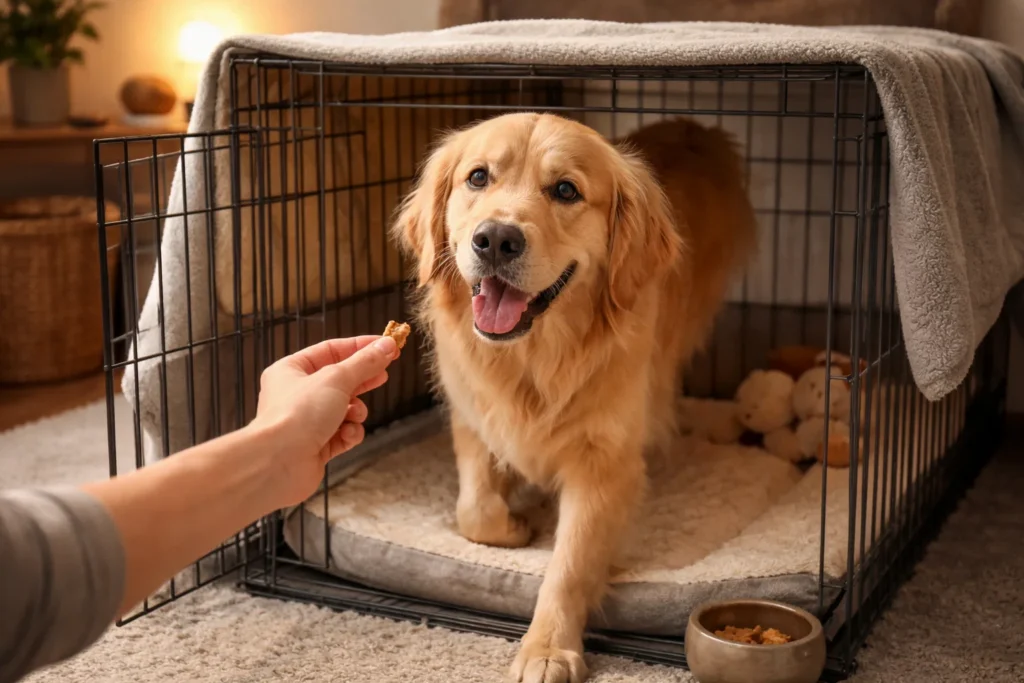
Proper crate training is one of the most effective ways to reduce crate anxiety in dogs. Here are some training techniques that can help:
Choosing the Right Crate for Dogs with Anxiety
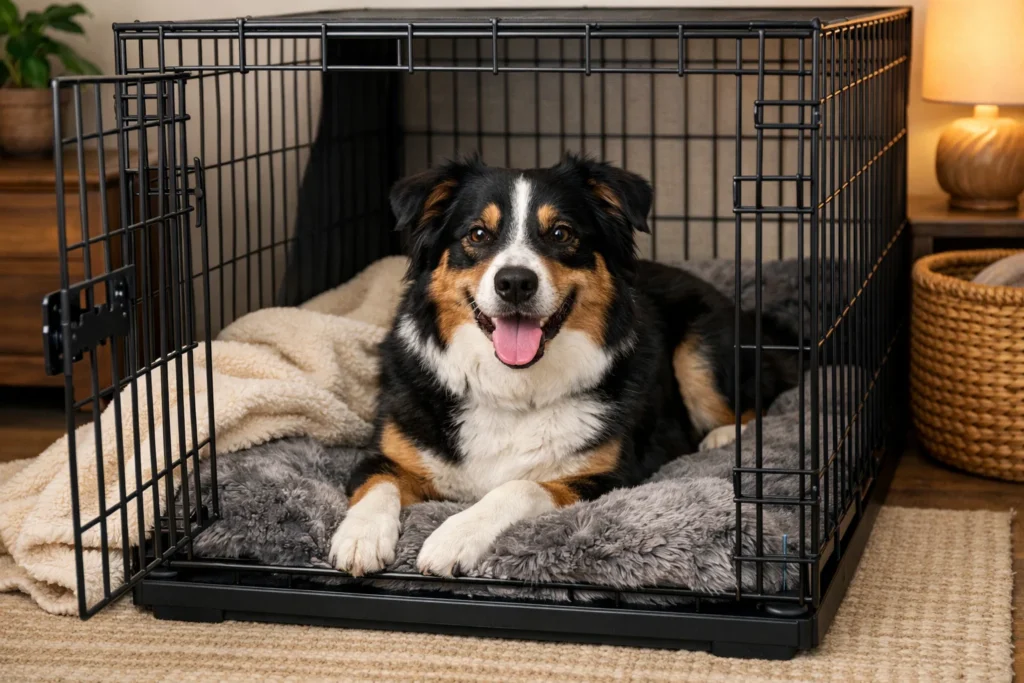
Choosing the right crate is crucial in managing crate anxiety. Here are key factors to consider:
Using Pheromone Therapy and Natural Remedies
In addition to crate training, pheromone therapy can be a helpful tool in reducing anxiety in dogs. Pheromone diffusers, such as Feliway, mimic the natural calming scents that dogs use to communicate with each other, helping to soothe their nerves and create a sense of calm.
Natural remedies such as calming collars, herbal supplements, and relaxing music can also aid in reducing your dog’s anxiety. These remedies work best when used in conjunction with crate training and behavior modification. For more information on pheromone therapy for pets, check out PetMD.
Behavioral Modification to Reduce Crate Anxiety
Behavioral modification can be a key part of a comprehensive treatment plan for crate anxiety. This technique involves teaching your dog to associate the crate with positive experiences and reinforcing calm behaviors. Here are some tips for effective behavioral modification:
When to Seek Professional Help for Crate Anxiety
If your dog’s crate anxiety persists or worsens despite your best efforts, it may be time to seek professional help. A veterinarian or dog behaviorist can evaluate your dog’s anxiety and recommend further treatments, including medications or more advanced behavioral therapy. In some cases, prescription medications like Gabapentin may be necessary to help calm the dog’s anxiety during the training process.
Conclusion: Helping Your Dog Overcome Crate Anxiety
In conclusion, crate anxiety in dogs is a manageable condition with the right tools and techniques. By introducing crate training gradually, using positive reinforcement, and incorporating natural remedies like pheromone therapy, you can help your dog feel safe and secure in their crate. With patience and consistency, your dog can overcome crate anxiety and enjoy a more peaceful and comfortable life.
If you’re also looking for effective treatments for anxiety relief in your feline friends, check out our article on Gabapentin for Cats.